
— Product Development
Product Development for Apparel Brands: From Idea to Production
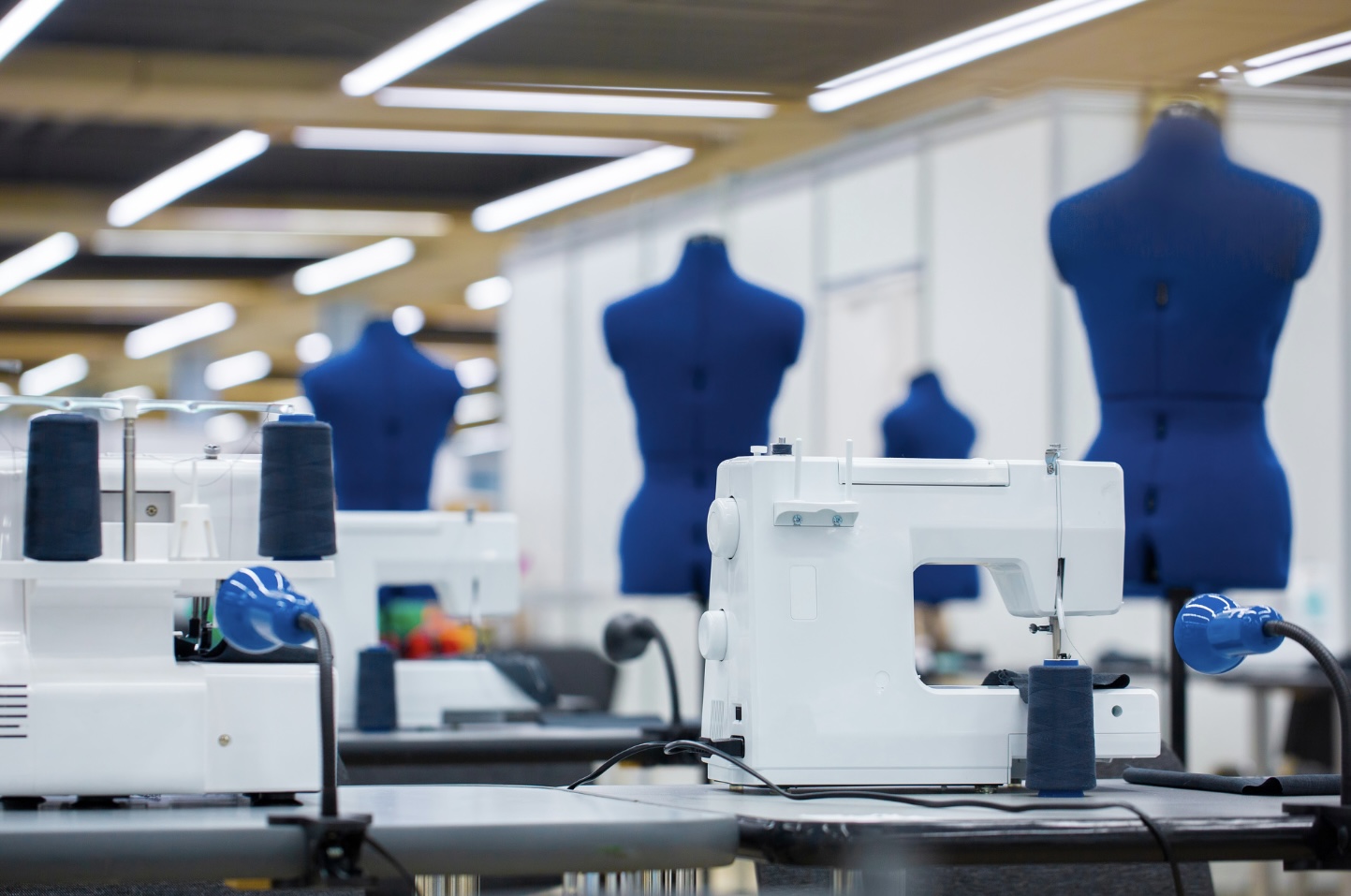
A strong idea is only the beginning. Here's the full apparel product development process, concept, sourcing, sampling, costing, and production.
A strong idea is only the beginning.
In fashion, the difference between a concept and a successful product comes down to execution. Great product development turns creative ideas into items customers want to buy, wear, reorder, and recommend.
For apparel brands, product development is where creativity meets operations. It requires design thinking, technical precision, sourcing strategy, cost discipline, and timeline management.
Whether you are launching your first collection or improving an existing line, understanding the development process can save time, money, and costly mistakes.
What Is Apparel Product Development?
Product development is the full process of taking an idea and turning it into a production-ready product. That typically includes:
- concept development
- market positioning
- sketches or design direction
- fabric and trim sourcing
- technical specifications
- fit development
- sampling
- revisions
- costing
- production planning
- manufacturing handoff
It is both creative and operational. The strongest brands treat product development as a strategic function, not just a design task.
Step 1: Start With a Clear Product Concept
Before sketches or samples begin, define what you are building and why it matters. Ask:
- Who is this product for?
- What problem does it solve?
- Where does it fit in the market?
- Why would someone choose it over alternatives?
- How does it support the larger brand story?
Examples:
- A premium golf polo with modern fit and performance fabric
- Elevated medical scrubs built for comfort and movement
- Travel accessories designed for urban professionals
- Luxury basics with inclusive sizing
Clear concepts create stronger products and cleaner decisions later.
Step 2: Design Direction and Product Details
Once the concept is clear, shape the product vision. This can include:
- silhouette
- fit direction
- construction details
- trims
- branding placement
- packaging ideas
- color palette
- seasonal relevance
- customer use case
At this stage, detail matters. Small decisions often influence perceived quality, functionality, and margin.
Step 3: Fabric and Material Sourcing
Materials can define the customer experience. The right fabric impacts:
- comfort
- durability
- drape
- stretch
- wash performance
- price point
- brand perception
The right trim choices also matter:
- zippers
- labels
- buttons
- drawcords
- packaging
- hardware
Sourcing should align with both product goals and business goals. Beautiful materials that destroy margins are not always the right choice.
Step 4: Create Technical Specifications
Before production, factories need clarity. That often comes through a tech pack or technical specification document. This may include:
- measurements
- graded sizing
- materials
- stitching details
- artwork placement
- label instructions
- construction notes
- packaging requirements
Clear specs reduce sampling errors, save time, and improve communication. Ambiguity gets expensive quickly.
Step 5: Sampling and Fit Development
Sampling is where the idea becomes real. Most products go through multiple rounds of revisions before they are ready. Common adjustments include:
- fit corrections
- material changes
- trim updates
- branding placement
- stitching improvements
- functionality refinements
- cost-saving changes
Rushing this stage can create expensive problems in bulk production. Strong brands respect the sampling process.
Step 6: Costing and Margin Review
A product must work creatively and financially. Before production, understand:
- unit cost
- packaging cost
- freight
- duties (if applicable)
- testing costs
- photography needs
- wholesale margin
- retail pricing
- target profitability
Great products that cannot support healthy margins become difficult to scale.
Step 7: Production Planning
Once the product is approved, production execution matters. This includes:
- purchase orders
- production timelines
- factory schedules
- raw material readiness
- quality checks
- shipping coordination
- launch timing
Brands often underestimate how much planning is required between sample approval and inventory arrival. Strong calendars reduce surprises.
Common Product Development Mistakes
Starting Without Market Clarity
Products are created with no clear demand.
Overdesigning Too Early
Too many details before validating the concept.
Weak Sampling Discipline
Accepting avoidable flaws.
Ignoring Cost Targets
Margins disappear later.
Choosing Factories Only by Price
Cheap production often becomes expensive.
Poor Timeline Management
Missed launches and rushed decisions.
Why Strategic Oversight Matters
Many founders have great ideas but limited experience turning them into scalable products. Strategic support can help with:
- concept refinement
- sourcing decisions
- product line planning
- fit direction
- vendor communication
- costing strategy
- launch readiness
That often saves both time and money.
Final Thoughts
The best products are rarely accidental. They are built through clear strategy, thoughtful development, disciplined revisions, and smart execution.
For apparel brands, product development is not just about making something, it is about creating something customers trust and want again.
Ready to Bring Your Product to Life?
If you need support with apparel product development, sourcing, or launch execution, apply to work with Elle & Reid.